

Retatrutide Dosing Retatrutide Dosing: Dose Schedule, Escalation & Clinical Trial Guide For Retatrutide Dosing

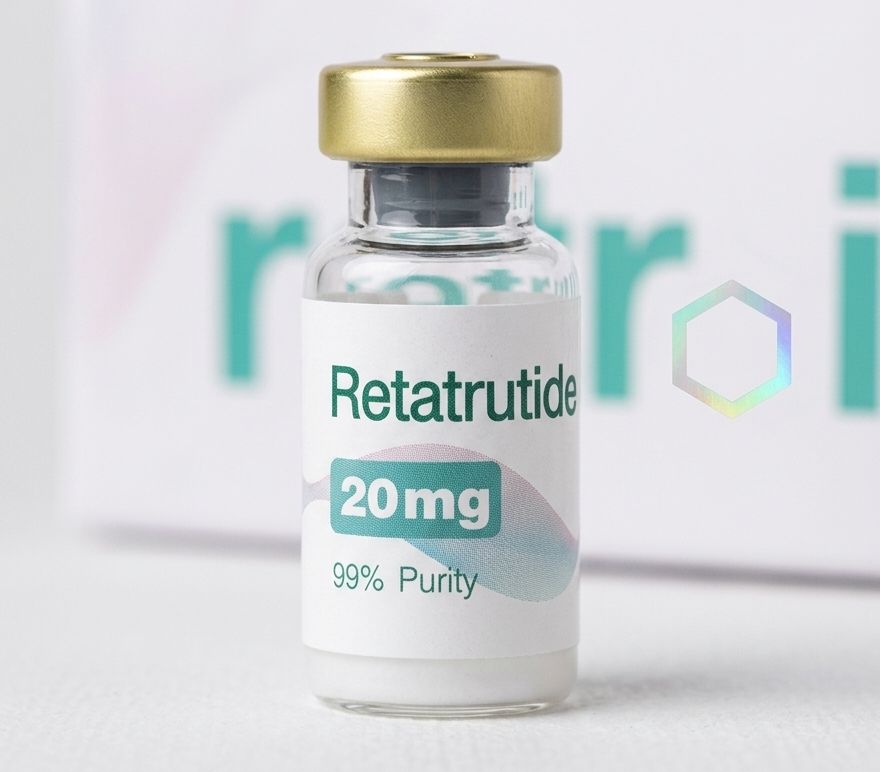
Retatrutide Dosing: What the Current Clinical Evidence Shows
Retatrutide dosing has become an important search topic as clinical research continues to examine this investigational medicine for obesity and related conditions. However, retatrutide is not currently approved for public use. Therefore, the available dose information comes from clinical trials rather than an approved prescribing label.
Retatrutide is a once-weekly injectable medication being studied by Eli Lilly. Moreover, it is a triple hormone receptor agonist that targets GIP, GLP-1, and glucagon receptors. Consequently, researchers are studying its potential effects on body weight, blood sugar, and several obesity-related conditions.
What Is Retatrutide?
Retatrutide is an investigational GIP, GLP-1, and glucagon receptor agonist. Unlike medicines that target only one or two of these pathways, retatrutide activates three hormone receptors.
As a result, researchers are evaluating whether this combination can produce meaningful changes in weight management and metabolic health. Clinical trials have studied adults with obesity, overweight, type 2 diabetes, cardiovascular disease, knee osteoarthritis, and other conditions.
Importantly, retatrutide should not be confused with an approved GLP-1 medication. Lilly states that retatrutide remains investigational and is currently available only to participants in its clinical trials.
Retatrutide Dosing in Clinical Trials
The current retatrutide dosage guide comes primarily from the Phase 3 TRIUMPH clinical program. In these studies, participants generally started at 2 mg once weekly.
Next, researchers increased the dose in steps at four-week intervals. The exact escalation depended on the trial and the target dose being studied. Therefore, the clinical-trial dose schedule should not be interpreted as a personal prescription.
For example, TRIUMPH-1 studied target doses of 4 mg, 9 mg, and 12 mg. Participants started at 2 mg and then increased the dose every four weeks until they reached their assigned target.
Retatrutide Dose Schedule Studied in TRIUMPH Trials
The following table summarizes the escalation patterns reported by Lilly:
| Target dose | Clinical-trial escalation |
|---|---|
| 4 mg | 2 mg → 4 mg |
| 9 mg | 2 mg → 4 mg → 6 mg → 9 mg |
| 12 mg | 2 mg → 4 mg → 6 mg → 9 mg → 12 mg |
These schedules describe research protocols, not individualized medical instructions. Furthermore, different trials may use different target doses and eligibility criteria.
How Retatrutide Dose Escalation Works
The concept of retatrutide dose escalation is important because clinical studies did not generally begin participants at the highest target dose.
Instead, participants started with a lower weekly dose. Then, researchers increased the dose gradually according to the study protocol.
This stepwise approach allows researchers to evaluate tolerability and safety while participants move toward the assigned target dose. Moreover, gradual escalation is a common feature of clinical development for medicines that can cause gastrointestinal adverse effects.
However, people should not copy a clinical-trial schedule without medical supervision. A research protocol applies to carefully selected participants who meet specific inclusion and exclusion criteria.
Why Are Different Retatrutide Doses Being Studied?
Researchers use different doses because the relationship between dose, effectiveness, and tolerability needs to be studied carefully.
For instance, TRIUMPH-1 evaluated 4 mg, 9 mg, and 12 mg target doses. At 80 weeks, Lilly reported average weight reductions of 19.0%, 25.9%, and 28.3%, respectively, in those groups.
Similarly, TRIUMPH-2 studied adults with obesity or overweight and type 2 diabetes. The study evaluated 4 mg, 9 mg, and 12 mg doses. Reported average weight reductions at 80 weeks were 12.7%, 19.1%, and 20.8%, respectively.
These results show why researchers continue to examine multiple retatrutide doses. Nevertheless, trial results do not mean that a higher dose is appropriate for every person.
Retatrutide Dosing and Safety
Safety remains an important part of any retatrutide dosing schedule. Clinical trials monitor participants for adverse events throughout treatment.
In Phase 3 research, Lilly reported that the most common adverse events were generally consistent with those seen with other incretin-based medicines. However, the full safety profile continues to be evaluated as the clinical program progresses.
Therefore, people should avoid purchasing or using products marketed online as retatrutide outside legitimate clinical research. Lilly states that retatrutide is not yet available for public use.
Is Retatrutide Approved for Weight Loss?
No. As of September 2026, retatrutide is not FDA-approved for weight loss or another medical indication.
Instead, it remains an investigational medication undergoing clinical development. Lilly has reported positive Phase 3 results and stated that it plans to submit a Biologics License Application to the FDA in the first quarter of 2027.
Consequently, there is currently no FDA-approved consumer retatrutide dosage that doctors can prescribe as a standard treatment.
Retatrutide Dose Schedule vs. Approved Medication Dosing
It is useful to distinguish a clinical-trial dose schedule from an approved medication label.
An approved medicine has regulatory prescribing information that defines its approved indications, dosing instructions, contraindications, warnings, and other important details.
Retatrutide does not yet have that type of approved prescribing information. Therefore, online claims about a “standard retatrutide dose” can be misleading.
Instead, the most reliable current information comes from registered clinical trials and official research updates.
What the Latest Research Shows
Recent Phase 3 results have expanded the evidence surrounding retatrutide for obesity.
For example, TRIUMPH-1 evaluated 2,339 participants and studied 4 mg, 9 mg, and 12 mg target doses. The trial reported substantial weight reductions across the studied dose groups after 80 weeks.
Meanwhile, TRIUMPH-2 examined participants with obesity or overweight and type 2 diabetes. TRIUMPH-3 studied people with severe obesity and established cardiovascular disease. Both trials reported positive topline results in July 2026.
Additionally, ongoing Phase 3 research continues to examine retatrutide in other populations and treatment settings. Therefore, the evidence base is still developing.
Who Should Not Use Retatrutide?
Because retatrutide remains investigational, there is no general public prescribing guideline that defines who should use it.
However, clinical trials have specific eligibility and exclusion criteria. For example, some Lilly trials exclude participants with certain medical histories, including previous pancreatitis or a personal or family history of medullary thyroid carcinoma or MEN2.
Therefore, online retatrutide dosing information should never replace an evaluation by a qualified healthcare professional.
Frequently Asked Questions About Retatrutide Dosing
What is the starting dose of retatrutide?
In several Phase 3 clinical trials, participants started with 2 mg once weekly. Researchers then increased the dose according to the study protocol. This information describes clinical research and does not establish an approved patient dosing regimen.
How often is retatrutide administered?
Clinical trials have evaluated retatrutide as a once-weekly subcutaneous injection.
What retatrutide doses have been studied?
The Phase 3 TRIUMPH program has studied 2 mg, 4 mg, 6 mg, 9 mg, and 12 mg as part of dose escalation and target-dose protocols. Not every trial used every dose as a final target.
Is 12 mg the standard retatrutide dose?
No. 12 mg is not an approved standard dose because retatrutide remains investigational. It has, however, been studied as a target dose in several Phase 3 trials.
Can I buy retatrutide for personal use?
Retatrutide is not currently available for public use. Lilly states that it is legally available only to participants in its clinical trials.
When could retatrutide become available?
The timing depends on regulatory review and future decisions by health authorities. Lilly announced in July 2026 that it planned to submit a BLA to the FDA in Q1 2027. However, submission does not guarantee approval or a specific launch date.
Key Takeaways
Overall, retatrutide dosing research currently centers on gradual, once-weekly dose escalation within controlled clinical trials.
The Phase 3 program has studied target doses including 4 mg, 9 mg, and 12 mg. Participants in several trials started at 2 mg and increased their dose every four weeks according to the study protocol.
However, these research schedules are not personal medical instructions. Most importantly, retatrutide remains an investigational medication and is not currently approved for public use.
For that reason, anyone considering treatment should discuss approved options and individual risks with a qualified healthcare professional. As additional Phase 3 and regulatory information becomes available, the understanding of retatrutide’s appropriate dosing, safety, and clinical role may change.
Medical Disclaimer
The information provided in this article about retatrutide dosing, retatrutide dosage, dose escalation, clinical trials, and related topics is intended solely for educational and informational purposes. It does not constitute medical advice, diagnosis, treatment, or a recommendation to use retatrutide or any other medication.
Do not use the information on this website to start, stop, increase, decrease, or otherwise modify any medication or treatment. Always consult a licensed physician or qualified healthcare professional regarding your individual health circumstances and treatment options.
Clinical research and regulatory decisions can change as new evidence becomes available. Consequently, readers should verify current information through appropriate regulatory authorities, official clinical-trial registries, and qualified healthcare professionals.
This website does not provide retatrutide prescriptions, individualized dosing instructions, or medical supervision. Any reference to specific doses or schedules reflects reported research protocols rather than a recommended dose for individual use.
If you experience symptoms that may require urgent medical attention, seek immediate medical care or contact your local emergency services.
By using the information on this website, you acknowledge that it is provided for general educational purposes and should not replace professional medical advice.
If you are interested in getting some of this product, kindly visit our Shop Page